
How Does SEO Meta Data Work?
Building Your SEO Foundations
It took me months to understand SEO for websites. Now, it's one of my favorite things in the world. Crazy right?
I'm putting SEO into the framework and words that I understand, because I know there are other DIYers out there who might not get it.
So here's how to implement SEO into your own business, starting with the foundations:
What exactly is Meta Data?
Meta Data tells the search algorithms what they're looking at - it's the back-end info that describes what every human sees. Custom meta data helps computers and search engines understand all the info on the web. The more clear your meta data is, the more likely an algorithm can use it in a relevant search results page. Plus, meta data can help provide more accessibility to the web for searchers who use screen readers.
Every search results has meta data, although a lot of them are automatically generated. Even if you've never applied any SEO to your website, every page still has some amount of meta data. Most auto-generated meta data includes the exact title of the page and no description at all, or a Latin filler-description (like below).
Here's an example of auto vs custom meta data:
Auto Meta Data
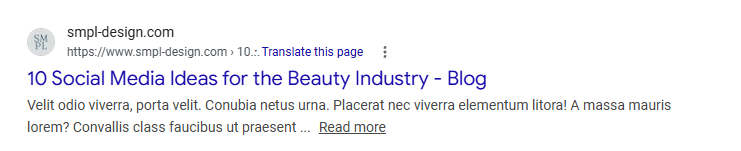
Here's a blog post that I published early, with no SEO, for this example.
Custom Meta Data
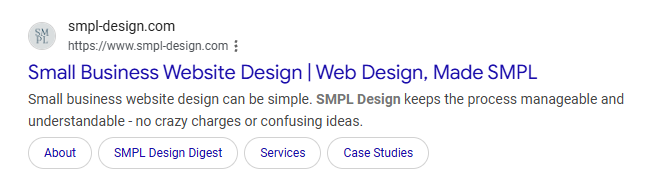
What's included in Meta Data?
Keyword or phrase: This is only for the algorithm, but it's a short phrase or sometimes a single word that describes the main idea of the page. Your page needs to include the exact keyword/phrase that you designate, for best SEO results. You should also try to include the keyword/phrase in the meta title and description.
Meta Title: This appears in search results (like the images above) and gives searchers the title of the page. A good title is crucial for catching searchers' eyes - if the title doesn't seem relevant, they won't read the description.
Meta Description: This also appears in search results, and describes the point of the page in more detail. Descriptions should tell a potential visitor what they would gain from clicking on your website - whether that's knowledge, a good deal, entertainment, or anything else.
Alt Text: Alt text describes your pictures and gives your images potential to be found on Google Images results. My favorite examples is when you search your name, and find a real picture of yourself. That image was uploaded to a website and alt text was added - that alt text includes your name. That's how Google can connect your name with your image. Alt text also helps visitors who use screen readers understand what is happening on your website, as the alt text is used to describe the image out-loud.
Heading Structure: Every web page should have a heading structure that tells algorithms what's most important on the page. A H1 signifies the most important info (aka the title of the page - there should only be one H1), while H2's should show the main sections of the page. Heading hierarchy goes all the way down to H6, and is designated by read code-based titles. Changing the size of the font doesn't change the heading designation!
How do you know your Meta Data is good?
Meta data, as the foundation of your SEO strategy, needs to be informed to be the best it can be. The easiest way to come up with good Meta Data is to thoroughly look through your website page. Meta information needs to actually describe the page, because algorithms still check the page against the meta information to make sure your website isn't attempting to mislead visitors.
If you're struggling to come up with the most SEO-heavy meta information as possible, keep it simple. Describe what the page is about and tell a visitor what they'd gain from it. At the end of the day, your meta information is still guiding the decisions of humans, not just algorithms.
If you do want to make an SEO-heavy website, create the meta information first, before developing a page. This is especially useful for blogs. Once you know what you'd like your meta title and description to be, create a page based off of that information. Then you can be 100% sure that your page includes the meta information.
Want to make sure your SEO is working for you?
Reach out. We offer a free initial consultation to see how we can work together. SEO is what we do.
Book a ConsultationLearn More About SEO


